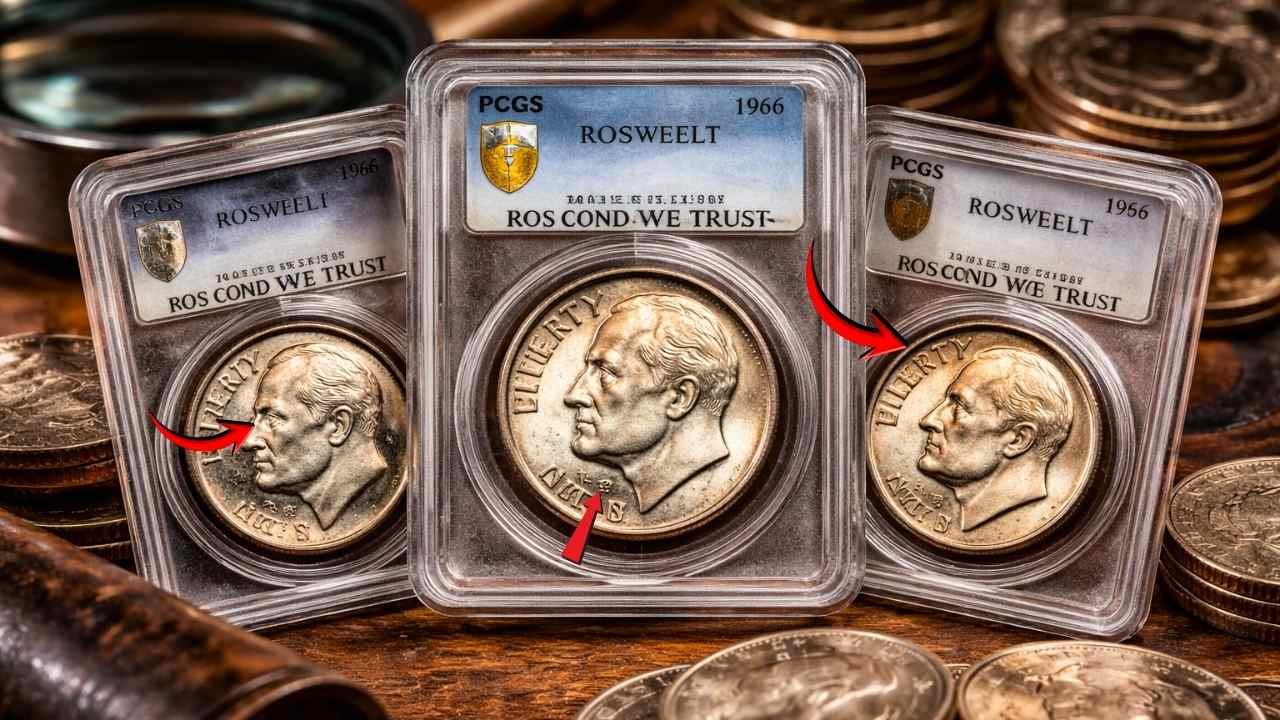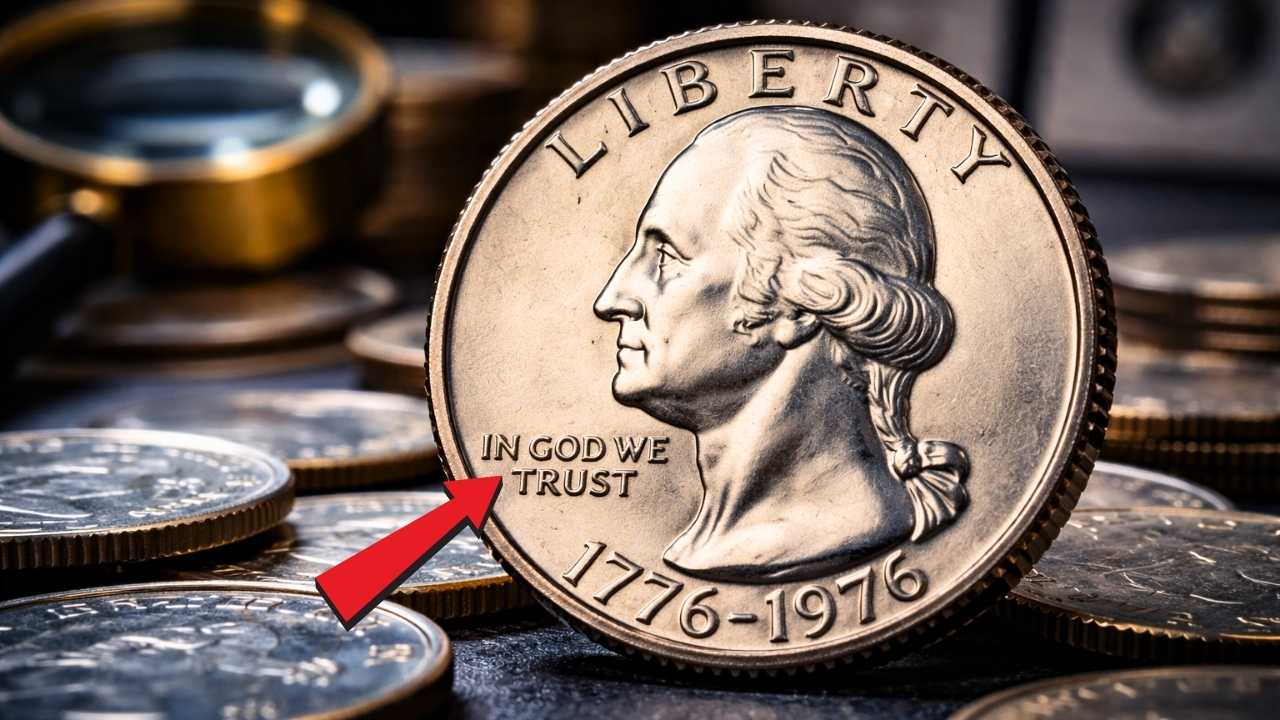
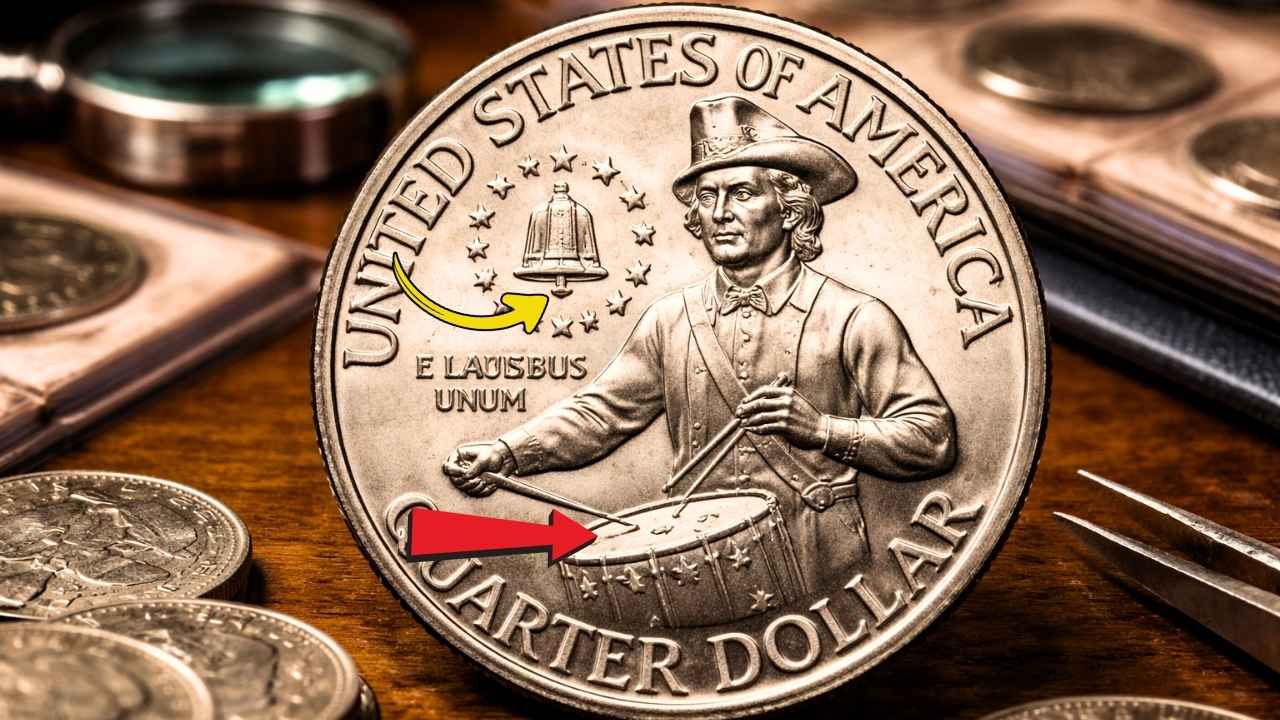
1976 Bicentennial Quarter Value: The 1976 Bicentennial Quarter was issued to mark the United States’ 200th anniversary and bears the dual date “1776–1976.” Its reverse shows a colonial drummer and a torch surrounded by 13 stars; coins were minted at Philadelphia, Denver, and San Francisco in clad and 40% silver formats.
This article explains identification, typical values, notable error varieties like doubled dies and filled mint marks, and practical advice for authentication, grading, buying, and selling. It helps collectors spot rarities and decide when to pursue certification or expert opinions.
History of the 1976 Bicentennial Quarter
In 1975–1976 the Mint issued a special reverse for the quarter to honor the bicentennial. The design shows a colonial drummer and a torch encircled by 13 stars and the dual date on the obverse.
Coins were produced at Philadelphia (no mint mark), Denver (D), and San Francisco (S). Philadelphia and Denver struck most circulation pieces, while San Francisco supplied 40% silver proof and uncirculated coins for collector sets.
Types and How to Identify Them
Three main types exist: clad business strikes from Philadelphia and Denver, San Francisco 40% silver proofs and uncirculated coins, and proof issues with mirror fields. Look for mint marks under the bust.
San Francisco silver pieces have an S mint mark and a different sheen compared with copper-nickel clad coins. Proofs often show frosted devices with mirrored backgrounds; BU pieces lack mirror fields and show uniform satiny luster.
1976 Bicentennial Quarter Value Overview
| Feature | Details |
|---|---|
| Year & Design | 1776–1976 dual date; colonial drummer reverse, Washington obverse |
| Mints | Philadelphia (no mark), Denver (D), San Francisco (S) |
| Composition | Clad copper-nickel (common), 40% silver (S collector sets) |
| Typical Circulated Value | About $0.25–$1 |
| Uncirculated/Proof Value | MS60–MS63: a few dollars; MS65 and proofs: tens of dollars+ |
| High-Value Varieties | 1976-D DDO (doubled die), filled mint marks, dramatic error strikes |
| Authentication Tip | Use loupe; compare to variety photos; slab high-value pieces |
Typical Market Values and Grading
Values depend on type and grade. Circulated clad quarters are generally worth face value up to a few dollars. Uncirculated MS60–MS63 coins sell for a few dollars, while attractive MS65 examples can reach tens of dollars.
San Francisco 40% silver proofs and uncirculated pieces carry modest premiums over their clad counterparts and silver melt. Certified high-grade proofs or major error varieties can command much higher prices at auction.
Notable Errors and Varieties to Watch
Collectors prize doubled-die obverse examples, especially the 1976-D DDO with visible doubling on LIBERTY and IN GOD WE TRUST. Die caps, off-center strikes, and struck-through grease are rarer and more valuable when dramatic.
Filled mint marks on Denver issues can look like errors but sometimes result from die grease. Authentication is important because post-mint damage or alterations reduce value. Certified attribution by grading services increases buyer confidence.
How to Authenticate and Grade
Start with a 10x loupe and compare details against known variety photos. Check LIBERTY, IN GOD WE TRUST, date digits, and the mintmark area for doubling or filling. Note surface marks and any signs of cleaning.
For high-value claims get third-party grading from established services. Slabbing provides authentication, condition grading, and variety attribution that significantly affects market value. Use graded auction records to set realistic price expectations.
Selling and Buying Tips for Collectors
Photograph coins clearly, showing obverse, reverse, and mintmark closeups before offering them for sale. Clean coins very rarely; cleaning reduces collector value and is usually discouraged.
For potentially valuable errors seek multiple opinions and consider auction houses or specialist dealers. For common pieces, online marketplaces and local coin shops provide quick sales but expect modest returns.
Care and Storage Recommendations
Store coins in inert holders such as Mylar flips, archival coin envelopes, or hard plastic slabs for graded pieces. Keep them in a cool, dry place away from sunlight and fluctuating humidity.
Handle coins by the edges and avoid PVC holders that can produce harmful residues. Label storage with date of acquisition, grade if applicable, and any noted varieties for easy reference.
Resources for Research and Verification
Use reputable reference guides and graded auction databases to confirm variety attributions and recent sale prices. Variety catalogs and coin forums help identify doubled dies and other die markers when photos are available.
When in doubt consult a professional grader or an experienced dealer before making high-value transactions. Document provenance and certification to improve buyer confidence and resale prospects.
Final Collector Insights and Practical Summary
Most 1976 Bicentennial quarters are common and affordable, but the series hides collectible rarities such as DDOs, filled mint marks, and error strikes. Learning to spot these features can turn ordinary change into valuable finds.
When you suspect a rare variety, avoid cleaning, take clear images, compare with reference photos, and seek third-party grading. Certification and good documentation are often the key to realizing the true market value.