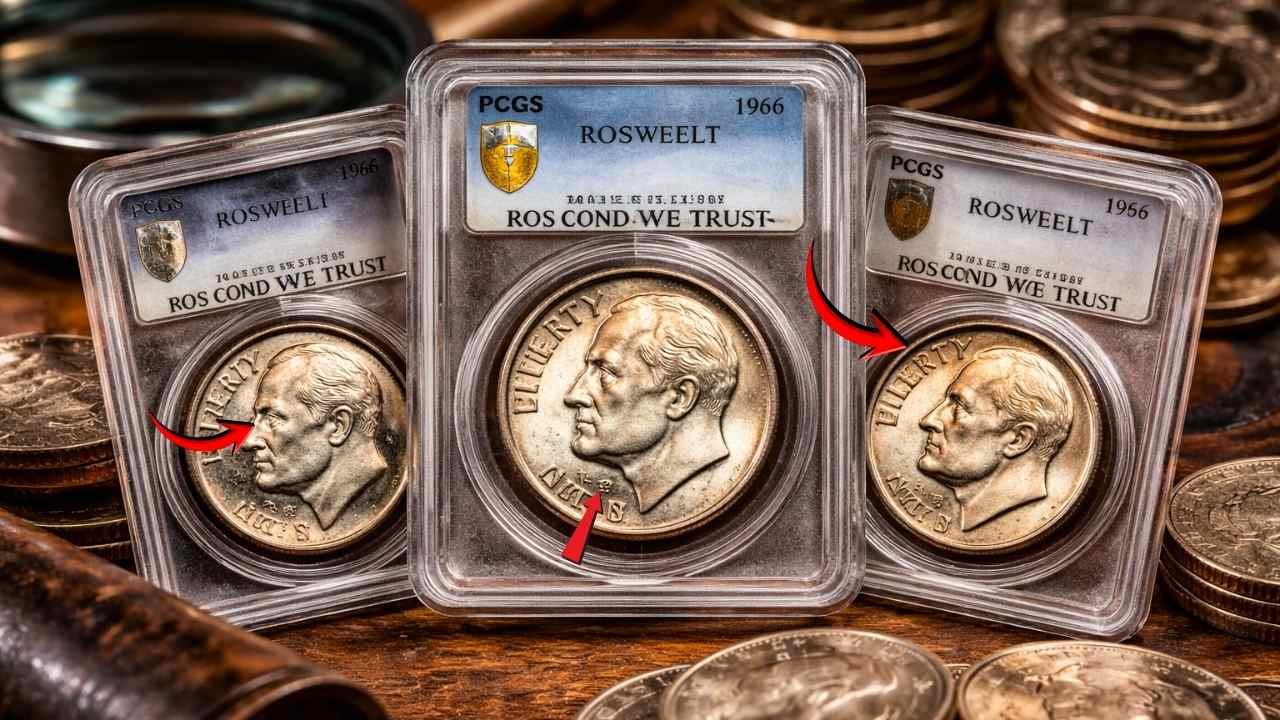
1976 Drummer Boy Quarter: The 1976 Drummer Boy Quarter, officially known as the Bicentennial quarter, has recently gone viral after claims surfaced that one example is worth $550,000. The headline quickly spread across blogs and social media, sparking excitement among casual collectors and coin enthusiasts.
While rare coins can sell for impressive sums, experts say extraordinary price claims require solid proof. A closer look at auction records, grading certifications, and verified sales shows that the $550,000 story lacks confirmed documentation from major auction houses or trusted grading services.
1976 Drummer Boy Quarter $550,000 Claim Sparks Viral Interest
Recent online articles and social posts suggest that a rare 1976 Drummer Boy Quarter fetched or is valued at $550,000. The story has created a wave of curiosity, with many people checking their spare change for hidden treasure.
However, no confirmed public auction record from leading numismatic firms supports this exact amount. Without documented evidence, such claims should be viewed cautiously by collectors.
History and Design of the 1976 Bicentennial Quarter
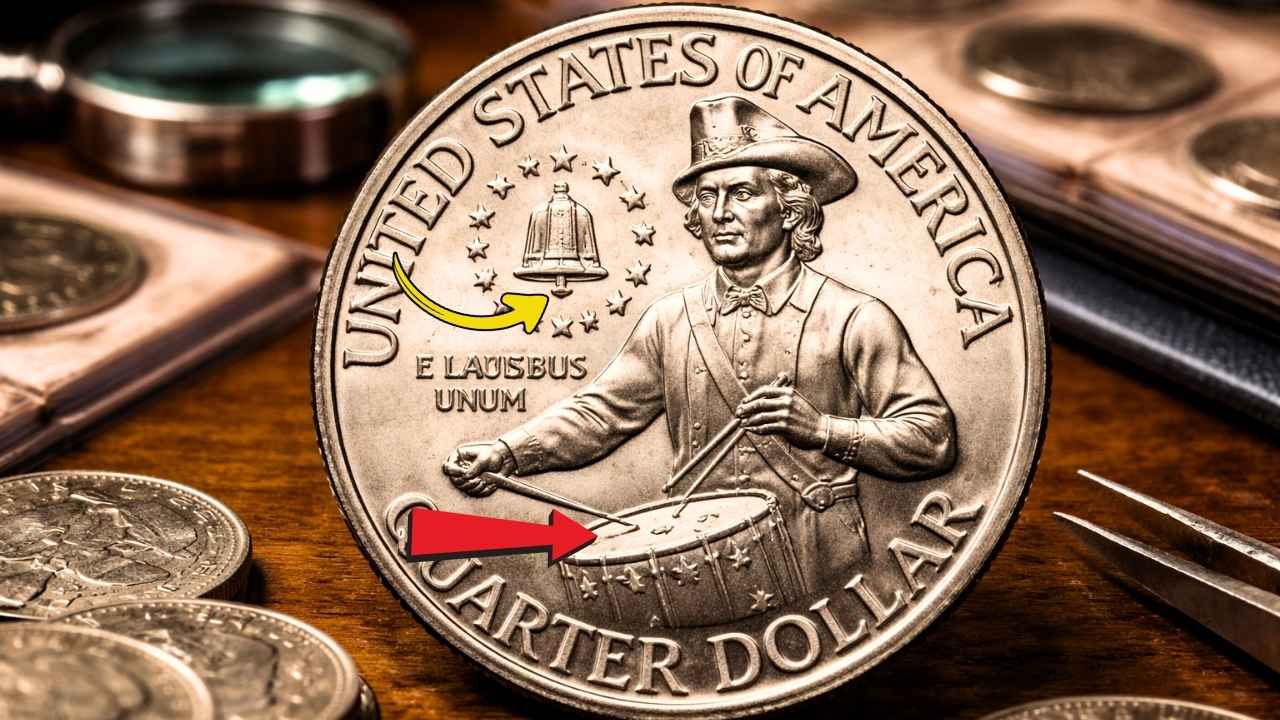
The 1976 Bicentennial Quarter was released to celebrate 200 years of American independence. Instead of the usual eagle, the reverse features a colonial drummer boy with a torch and thirteen stars.
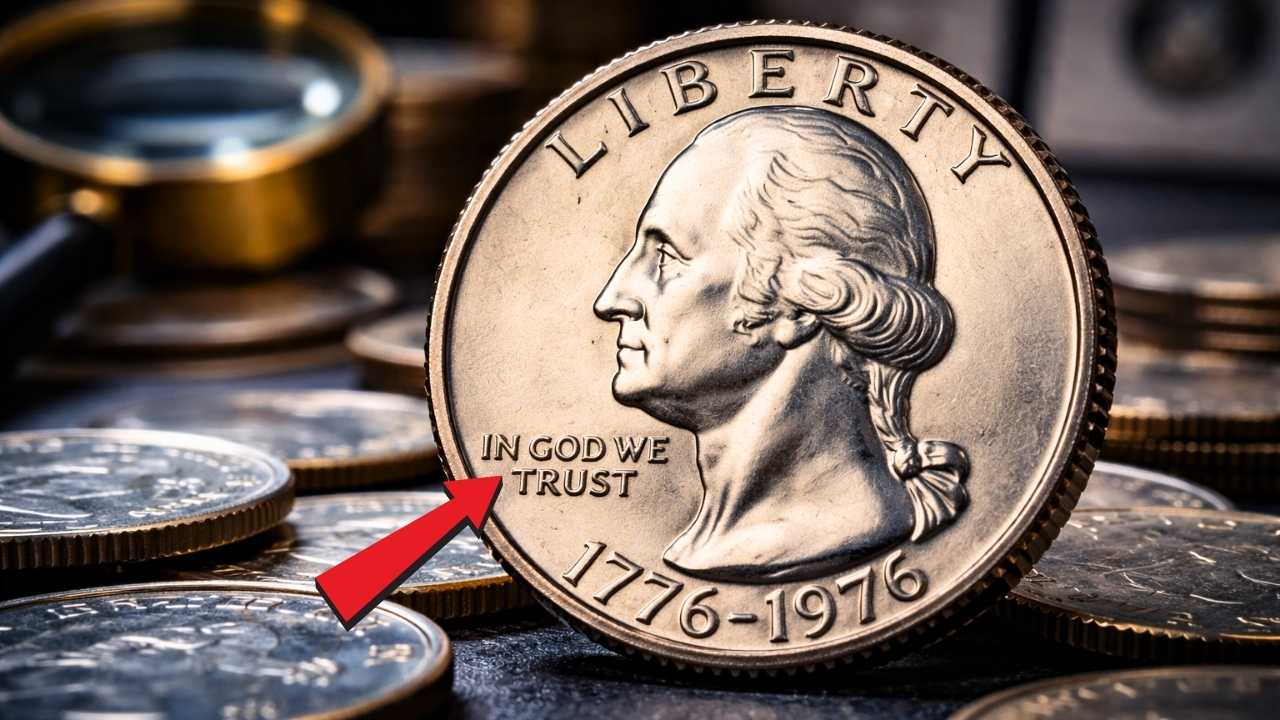
The obverse still displays George Washington but carries the dual date “1776–1976.” This special design was struck in large numbers, making most examples common today.
1976 Drummer Boy Quarter Overview
| Key Detail | Information |
|---|---|
| Coin Name | 1976 Bicentennial Quarter (Drummer Boy Quarter) |
| Special Feature | Dual Date 1776–1976 |
| Reverse Design | Colonial Drummer Boy |
| Common Value | Face value to a few dollars |
| Rare Error Value | Tens to thousands of dollars |
| $550,000 Claim Status | Unverified by major auction houses |
| Verification Needed | PCGS or NGC certification and auction record |
Are There Verified $550,000 Auction Records
Major auction houses such as Heritage Auctions and Stack’s Bowers regularly publish high-value coin sales. Yet, no widely recognized listing confirms a $550,000 sale for a standard 1976 quarter.
In the rare coin market, high six-figure sales are well documented and publicly searchable. The absence of such records raises doubts about the viral claim.
Valuable Error Varieties of the 1976 Quarter
Some 1976 quarters are valuable due to specific mint errors. These may include doubled die obverse designs, filled mint marks, or dramatic off-center strikes.
Silver proof versions and extremely high-grade uncirculated coins can also command higher prices. However, these typically range from hundreds to thousands of dollars, not hundreds of thousands.
Role of Professional Coin Grading in High Value Sales
Professional grading services like PCGS and NGC authenticate and assign grades to coins. High-value coins are usually sealed in tamper-proof holders with certification numbers.
Without certification, it is nearly impossible for a coin to achieve a record-breaking sale. Verified grading adds credibility and market confidence.
Market Reality for Circulated Bicentennial Quarters
Most circulated 1976 Drummer Boy Quarters remain worth 25 cents. Because millions were produced, they are commonly found in pocket change.
Even uncirculated examples without rare errors generally carry modest premiums. Condition and rarity are the main drivers of value in coin collecting.
How Viral Coin Stories Spread Online
Social media platforms allow eye-catching headlines to travel quickly. A large dollar figure often attracts attention regardless of verification.
Many articles repeat the same claim without linking to official auction documentation. This can create excitement but also confusion among new collectors.
How to Check If Your 1976 Quarter Is Rare
Carefully inspect the coin for visible errors such as doubling, unusual strikes, or missing design elements. A magnifying glass can help identify small details.
If you believe your coin is special, consider submitting it to a professional grading service. Certified evaluation is the safest way to confirm authenticity and value.
Final Verdict
The idea of finding a $550,000 quarter is exciting, but current evidence does not confirm such a sale. No major auction record publicly supports the headline figure.
Collectors should rely on verified auction data and certified grading results. While rare errors can be valuable, extraordinary claims require solid proof.